Work 03 / 08 · 2025
Ocean’s Will, New Normal
Climate, Marine and Environmental Exhibition curation design
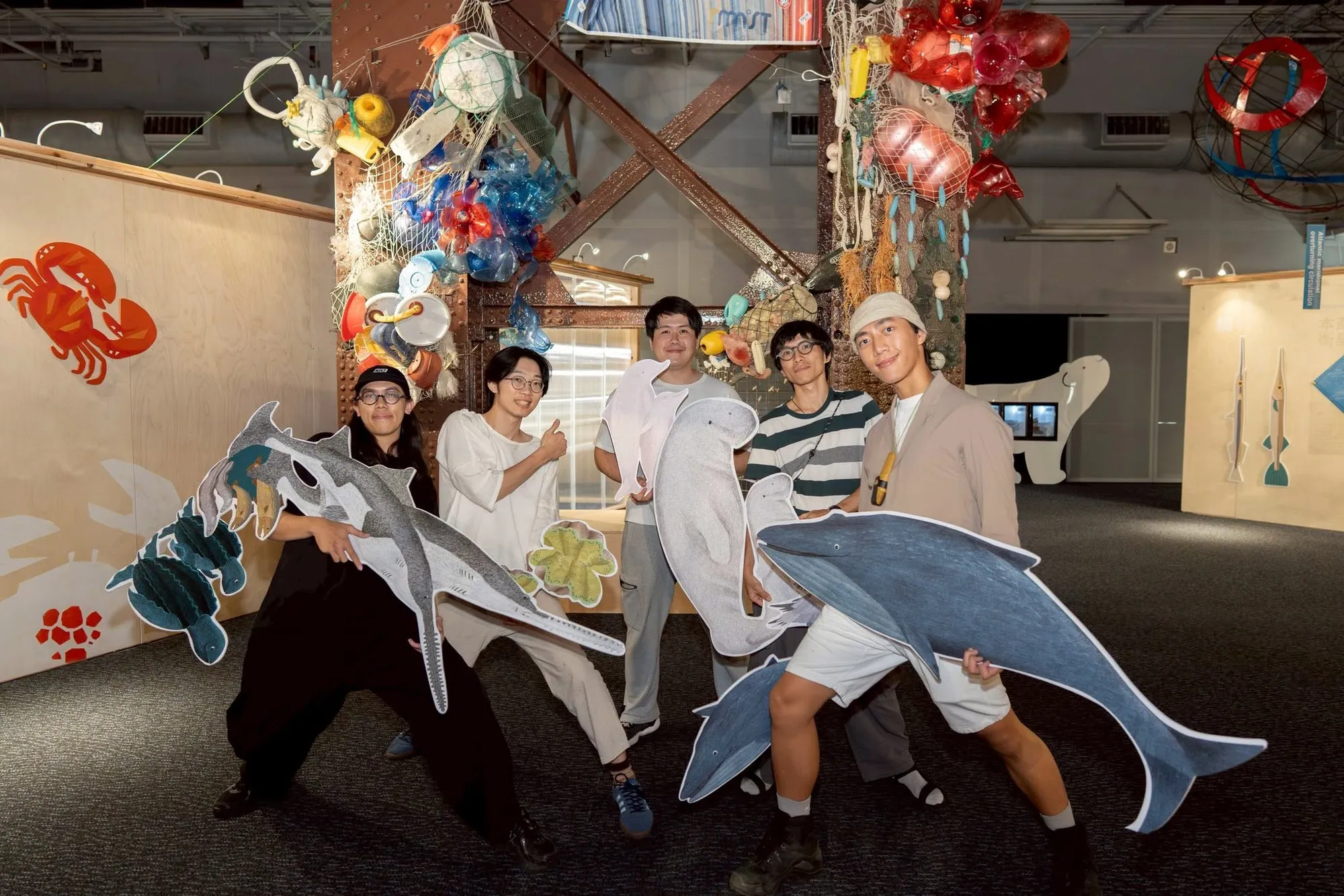
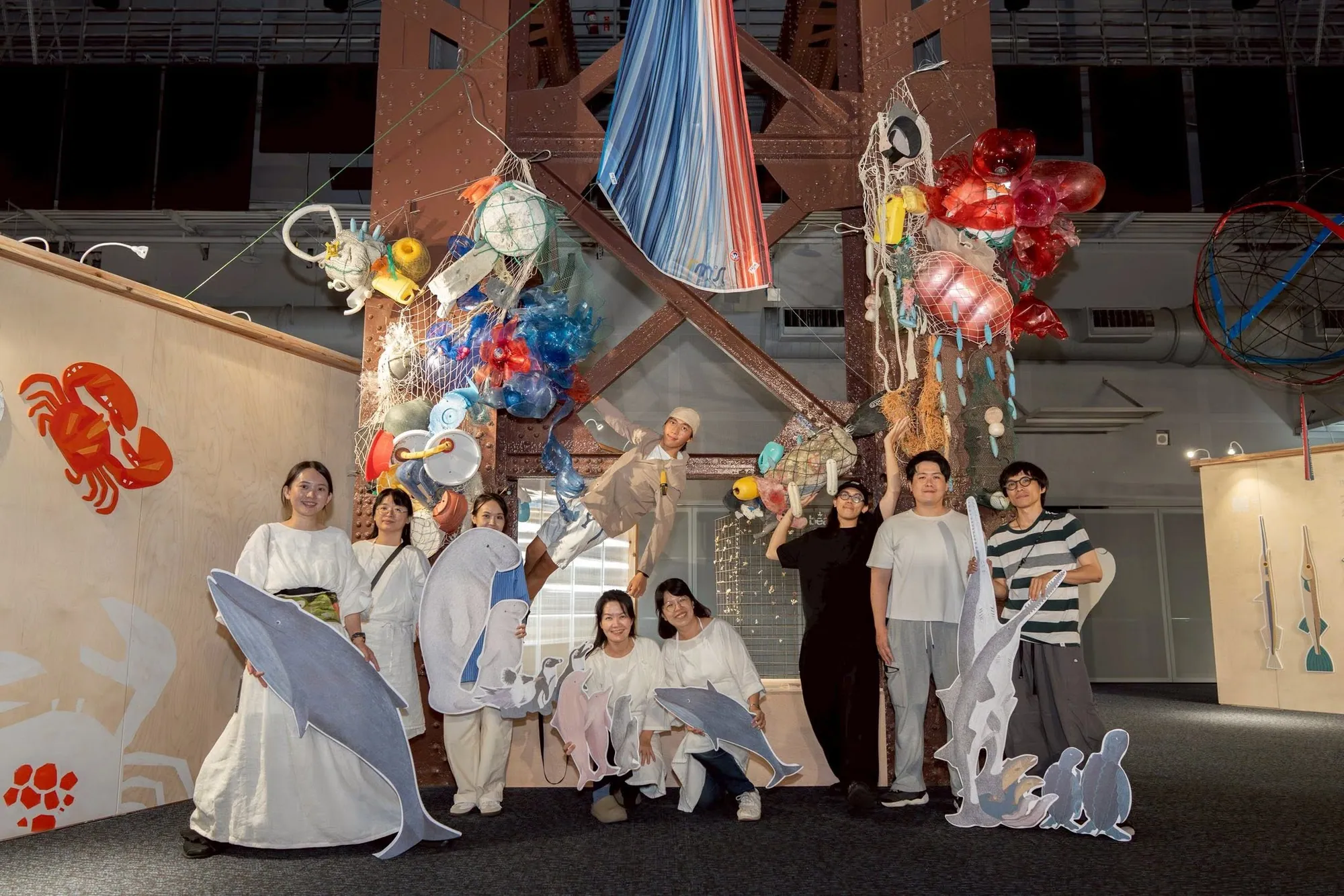
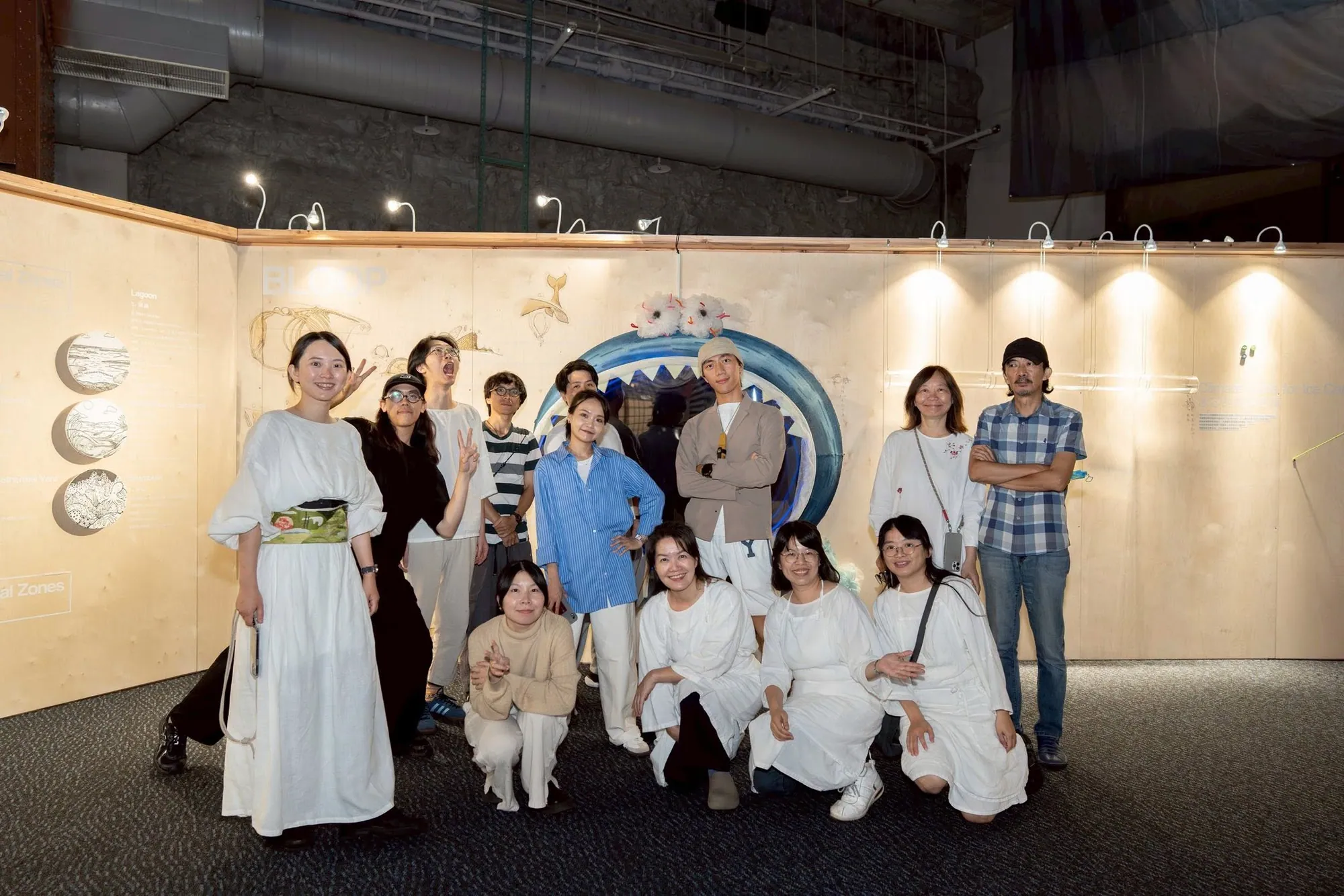
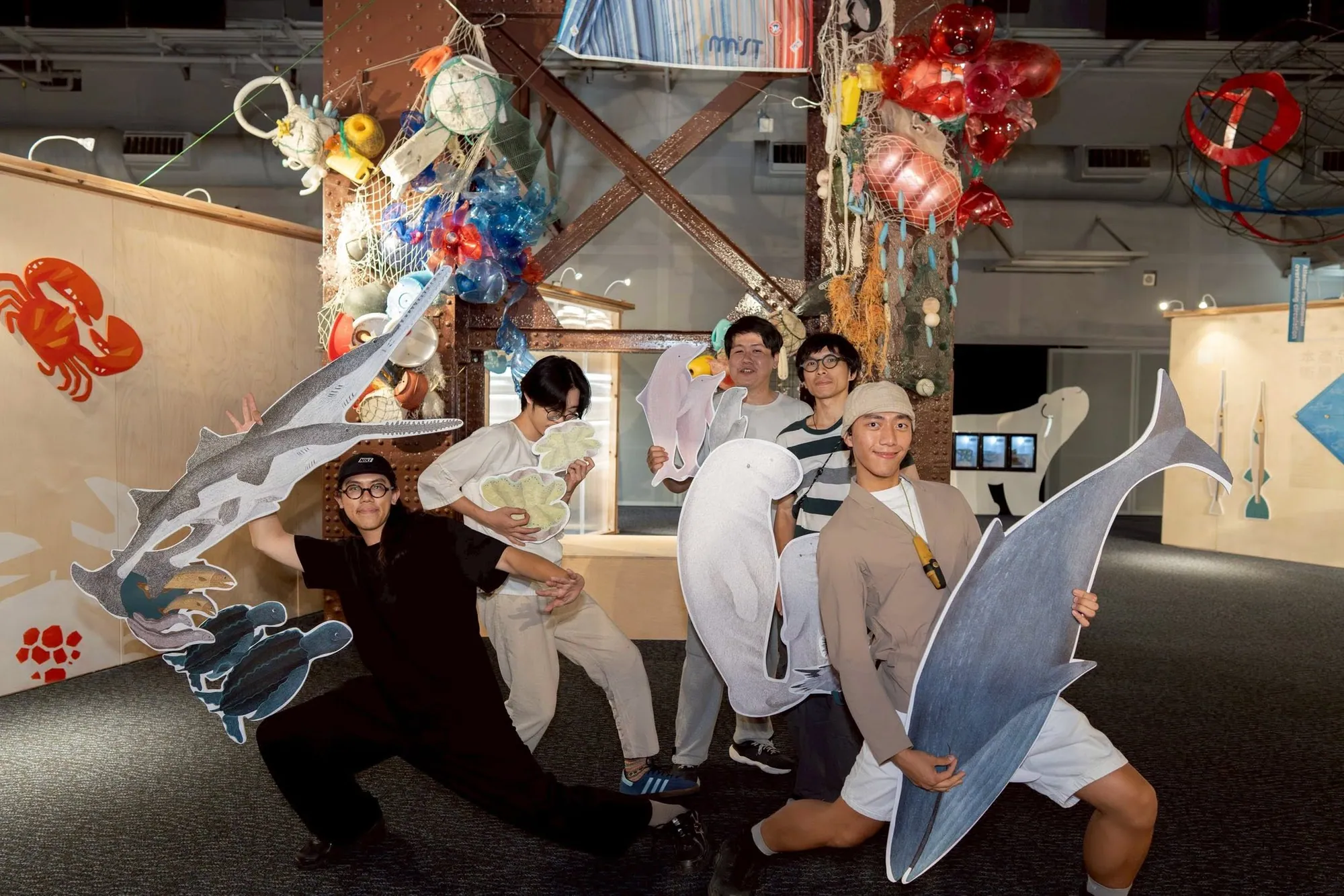
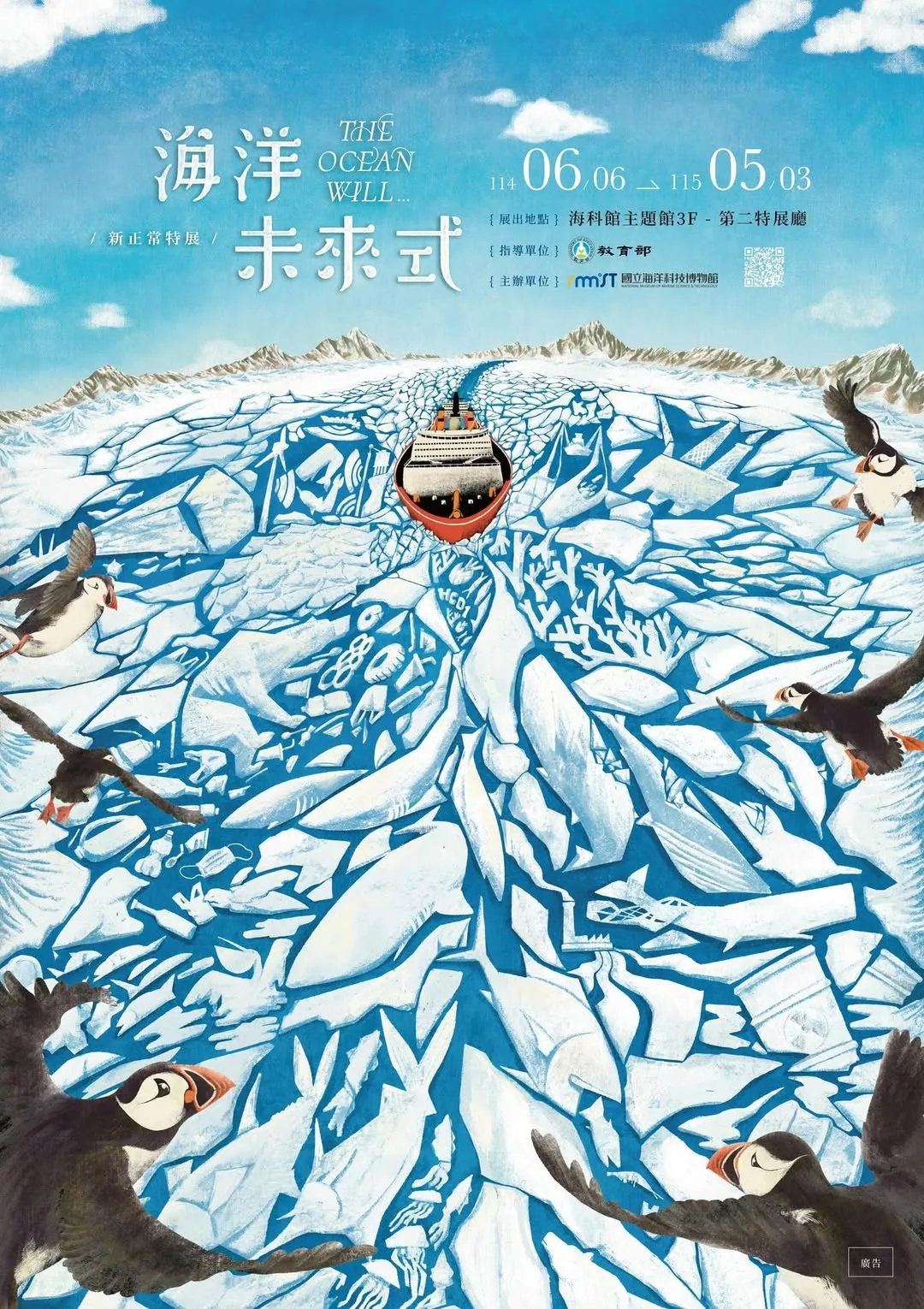
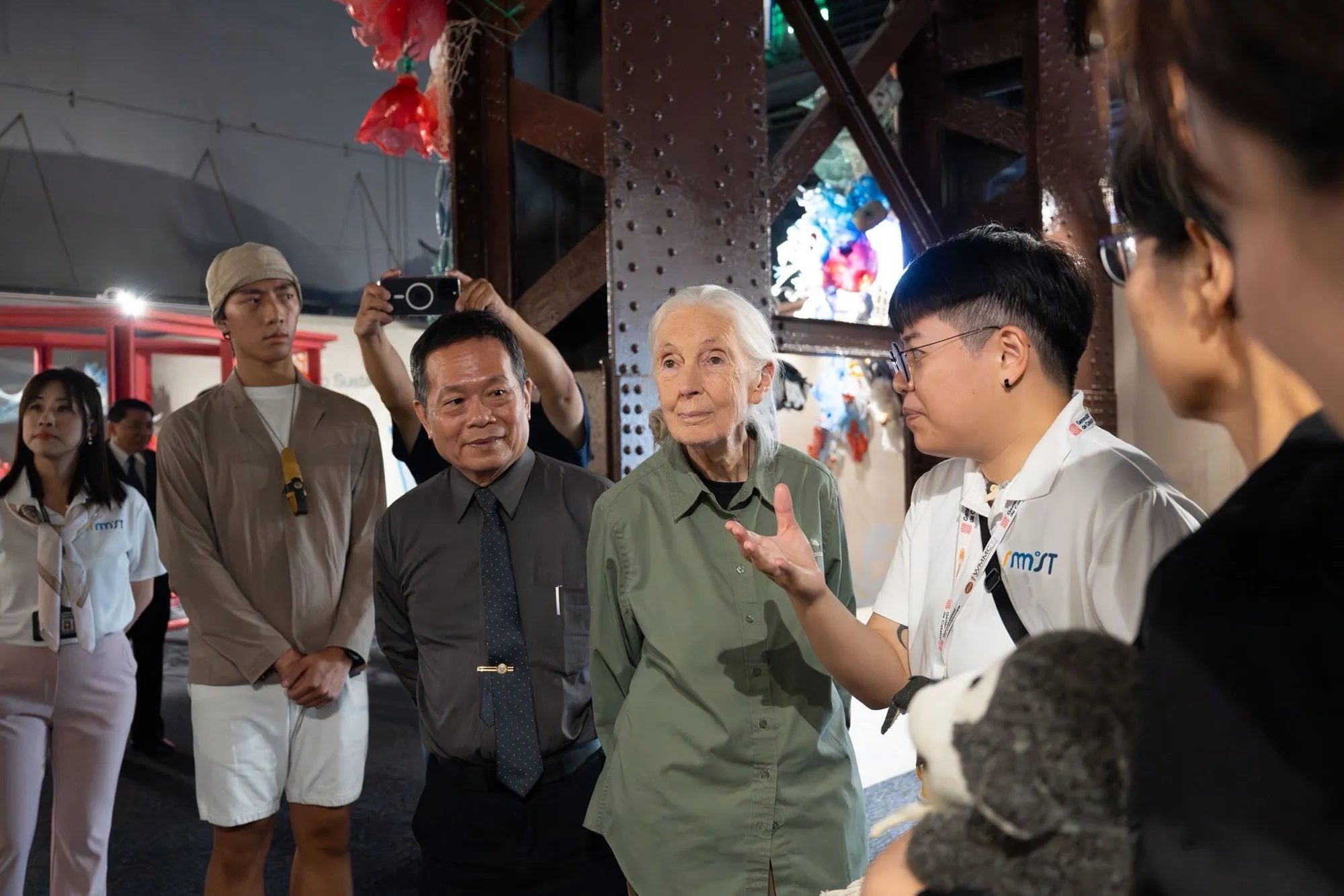
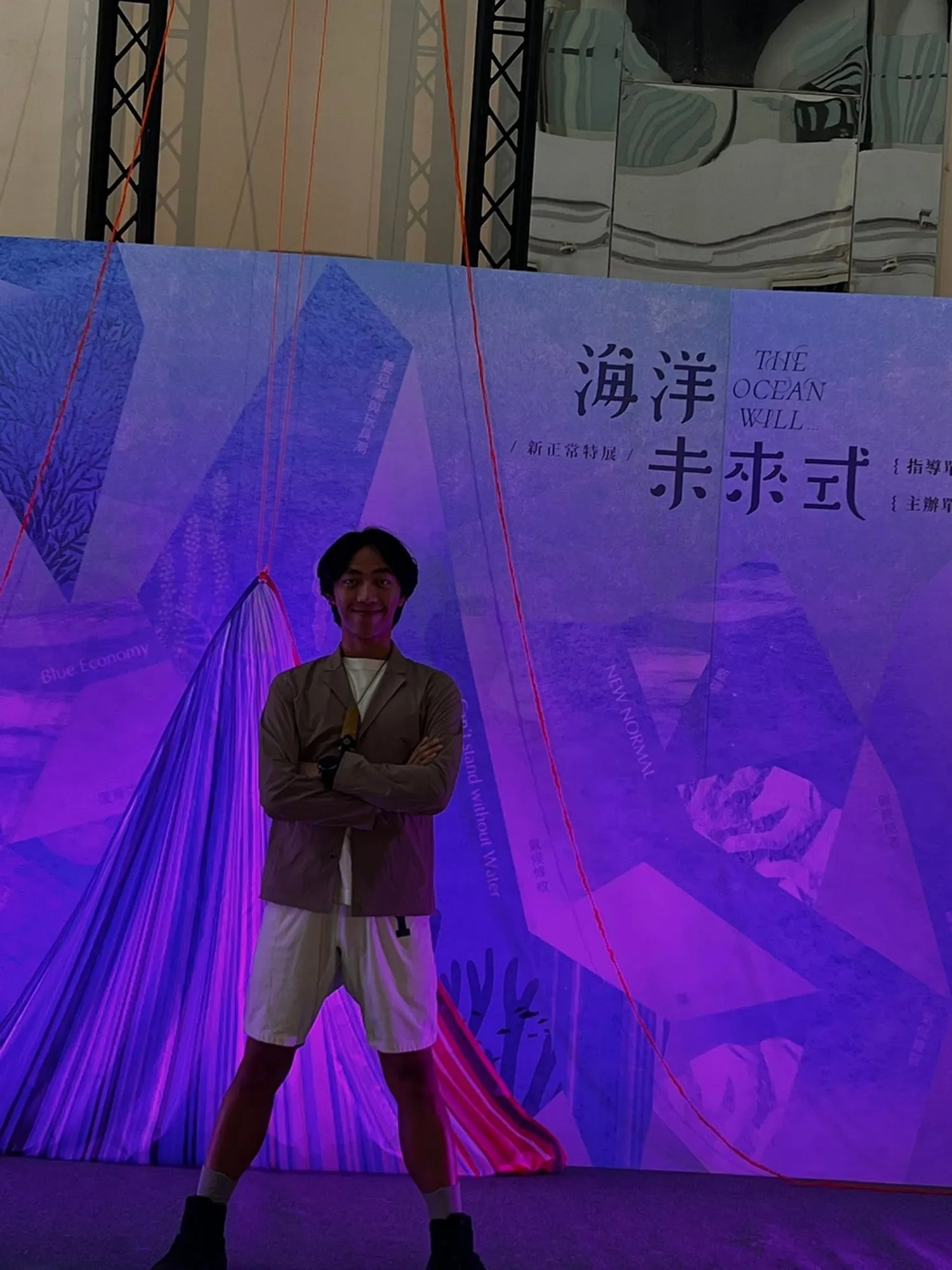
In June this year, I faced climate issues head-on for the first time and conveyed the challenges and solutions that the ocean and climate face in a changing environment through the overarching narrative language of an exhibition design. During the curation process of the “Ocean Future: The New Normal” special exhibition at the National Museum of Marine Science and Technology, I had the opportunity to focus deeply on experience design, narrative language, expressive methods, planning, and copywriting. My mindset was to treat this year-long permanent exhibition as my representative environmental project. The Seed Design team and I believe that in a deep blue future, we must do more than explain problems; we must discover and solve them. After studying nearly a hundred pieces of research, articles, papers, and data, I insisted that the subtitle of the exhibition must be “The New Normal.”
In an era where the Kyoto Protocol has officially failed, and the Paris Agreement is heading towards an unavoidable 1.5-degree Celsius warming, humanity, society, the environment, and the world must focus on how to face this new normal. Human-caused climate change is an absolute ongoing present tense, and the future confronts climate whiplash, crossing climate tipping points, Atlantic Meridional Overturning Circulation shutdown or reversal, and other climate crisis scenarios. What qualities do we need to coexist with this new normal? I believe it is “resilience” and “adaptability.”
Humans are the species best able to dance with change on Earth. The environment is always changing, and humans often thrive, benefit, and learn from it. The human species’ resilience and adaptability are extremely strong. In a 1.5-degree warmer world, we can use engineering, technology, and economics to face and resist challenges directly. However, the world we live in, carrying all our experiences, memories, resources, and encounters, will never be the blue-green living planet originally envisioned. Therefore, various scales of resilience and adaptability—from planetary, national, and community to individual species levels—must be constructed and developed. I incorporated a series of thematic and expressive design methods into the exhibition:
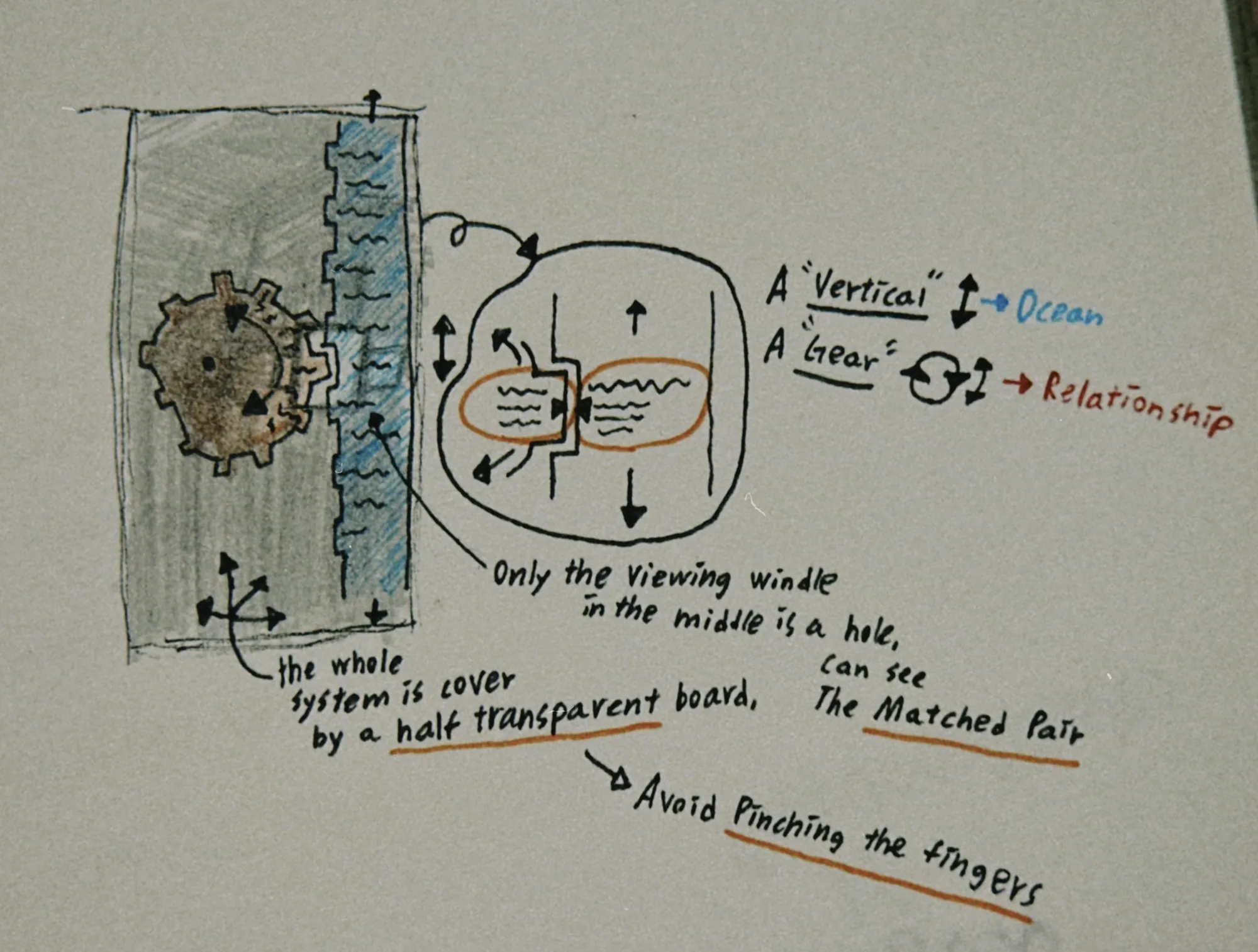
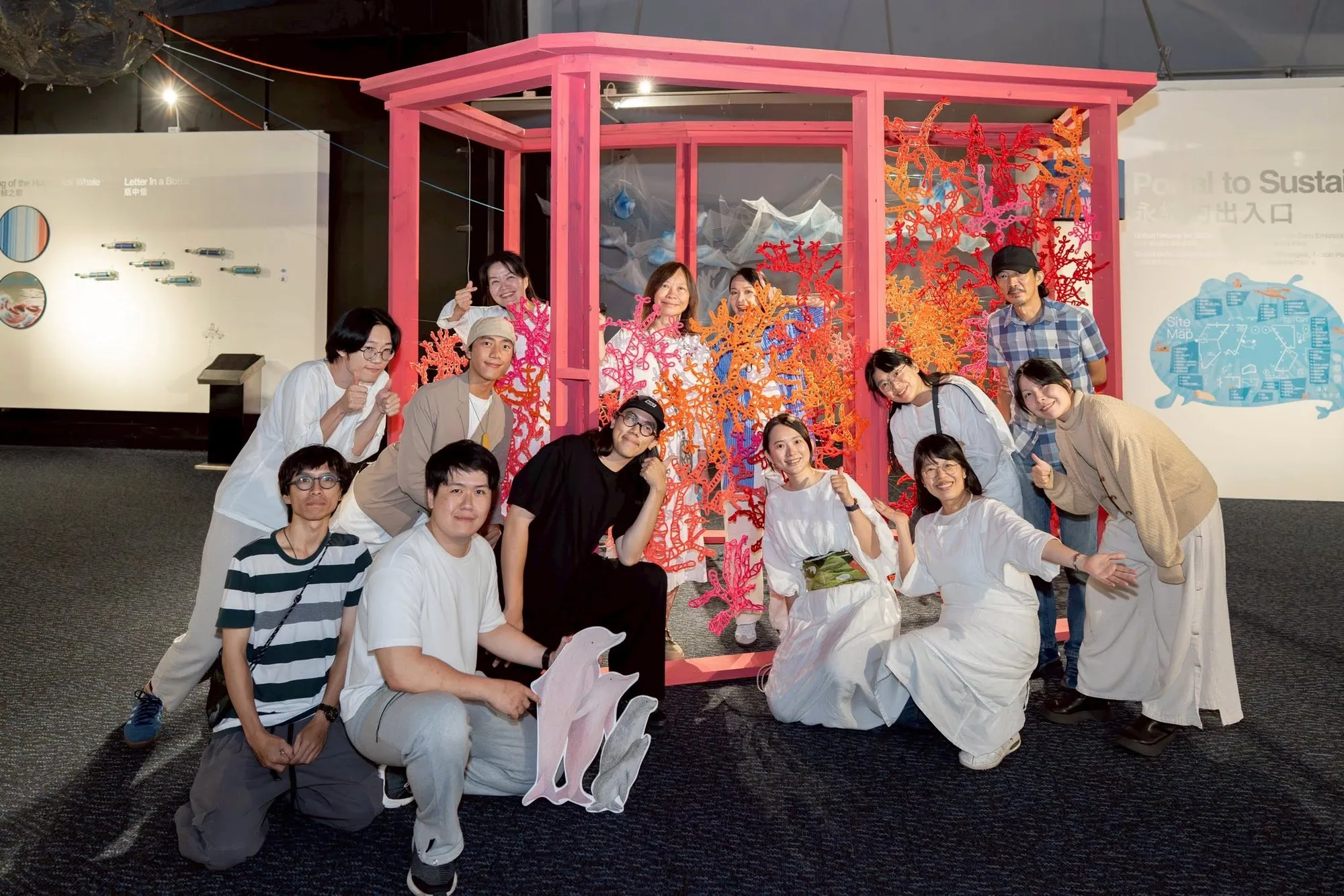
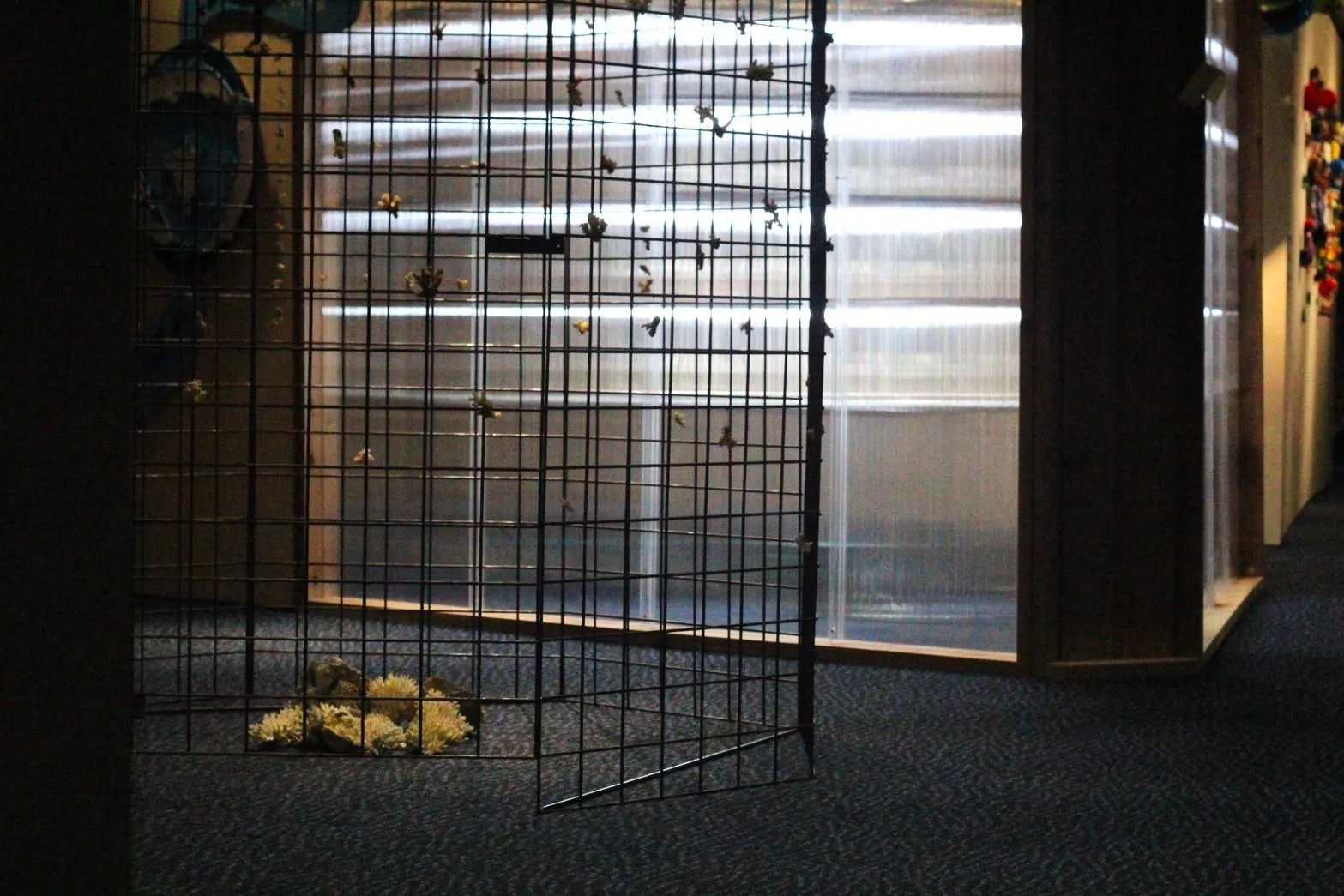
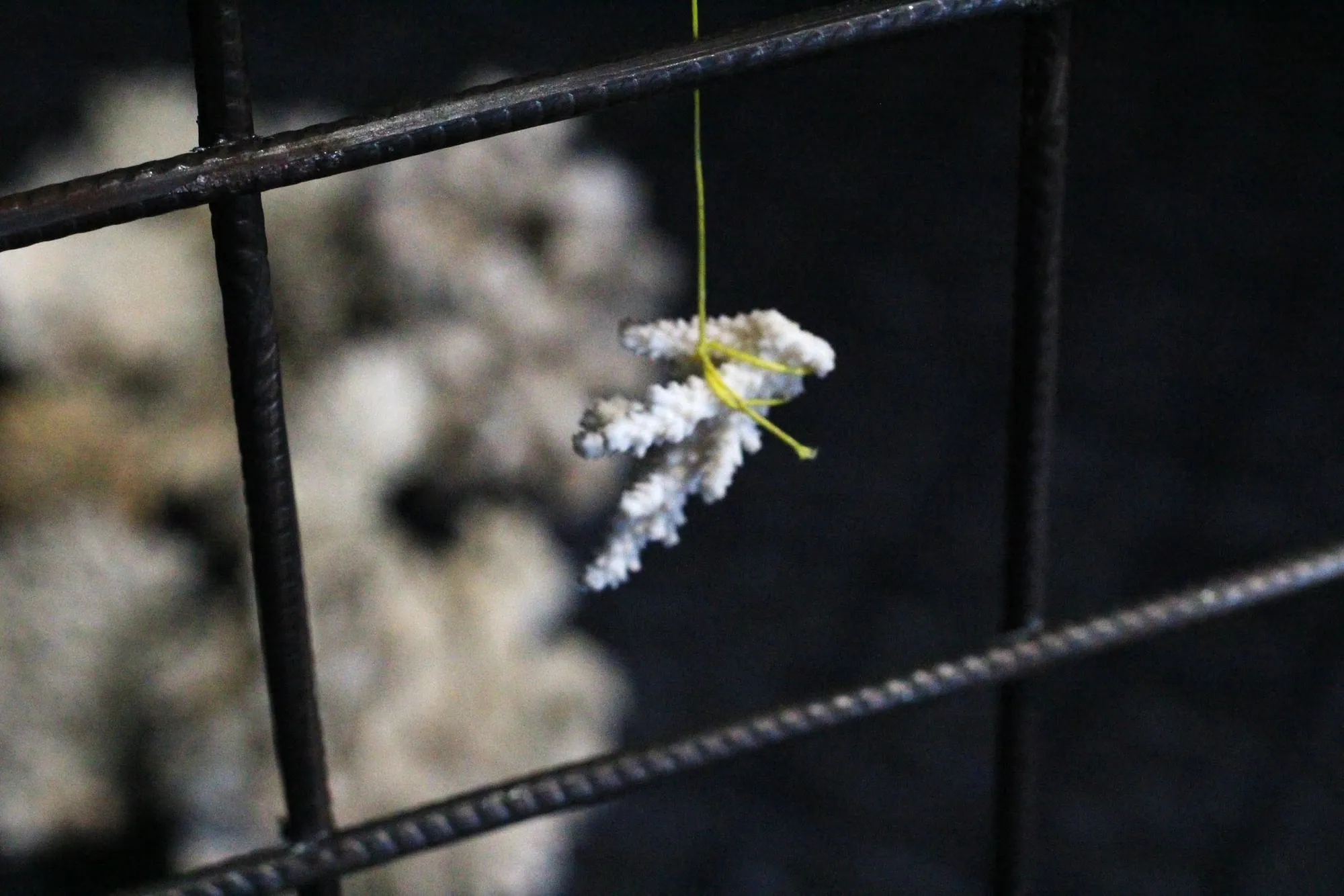
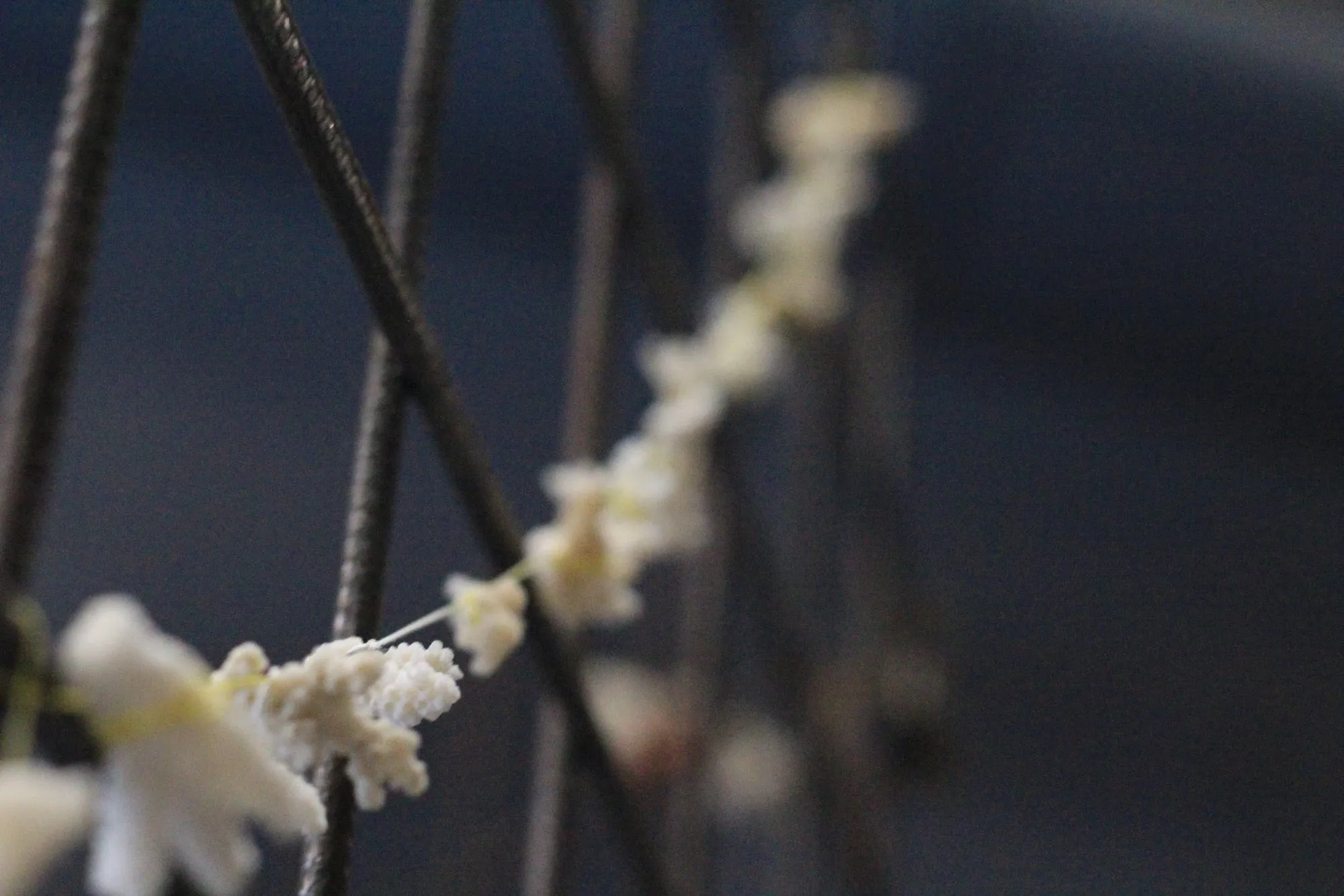
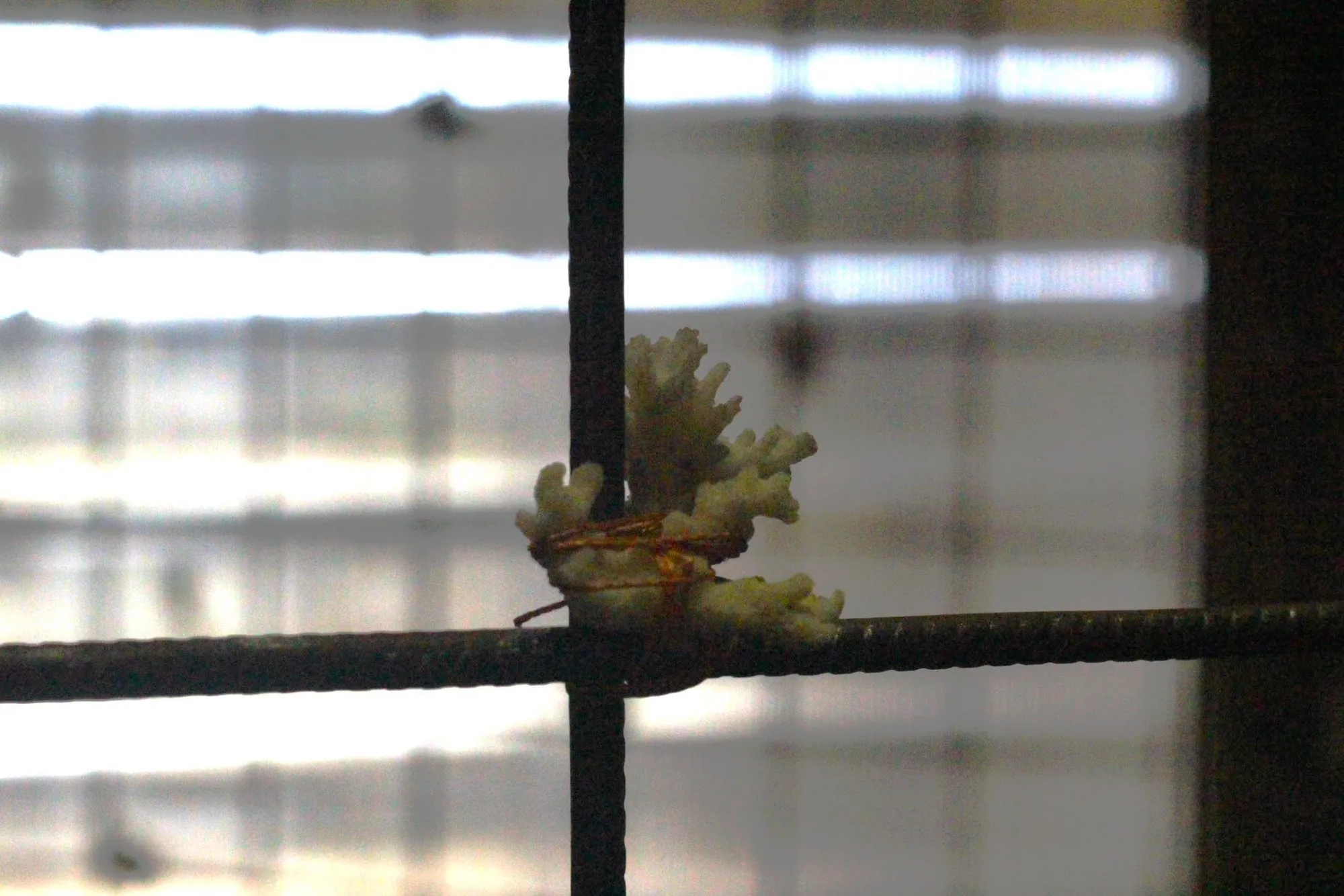
• “Heart of Restoration: BioRock Coral Reefs, Wild Restoration Structures”—In late 2024, I visited the world’s BioRock coral restoration site with the highest BioRock density in Gili Trawangan, Indonesia, to learn this technology. I studied how to design and build a BioRock and obtained a handler certificate. I believe emphasizing the coral’s species resilience and adaptability can be expressed through BioRock in the exhibition: cultivating stronger, faster-growing, faster-healing, higher-survival, and more sediment- and pollution-resistant, heat-tolerant coral. Could this be a “super coral”? The goal is not to create scientific monsters but to quickly pass the most vulnerable startup phase, providing a platform and habitat for future coral thriving. In the expressive design, I used real rebar suitable for BioRock, assembled into an octagonal cage, following the concept of a cradle of life, not a battlefield, and tied coral fragments with traditional climbing knots (instead of plastic zip ties) to fix and reduce plastic use and garbage generation.
The time you’ve spent on your coral is what makes your coral so important.
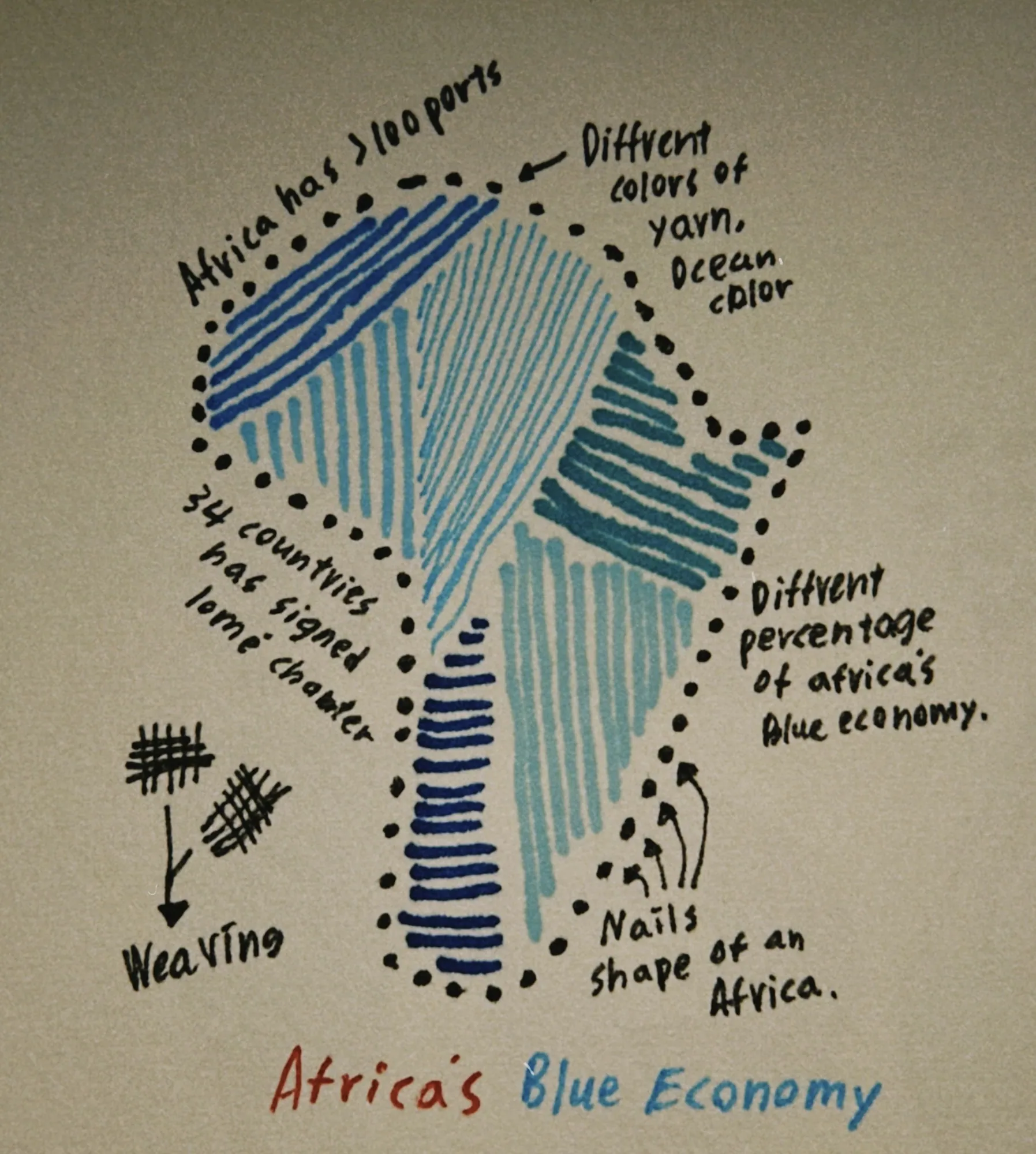
• “Africa Blue Economy”
During the initial brainstorming phase, for flow design, I initially planned to use the geographical distribution of seven continents and three oceans to design display racks but later muted this concept. However, I kept only one exhibit directly referencing a country name because economic growth is humanity’s purest understandable motive. If the ocean is no longer only consumed by humans but is a shared stakeholder, according to NOAA, the blue economy consists of three types of industries that need to progressively evolve to the third type: marine economy (all maritime and coastal-related industries), blue economy (maximizing marine environment sustainability under human economic growth and food security), and new blue economy (using technology, data, and information to support high-intensity decision-making positively impacting all blue economies). I adopted this model and used ocean-colored yarn weaving to connect and weave a flexible, inclusive display, forming three Africas to represent this future evolution.
• “Natural Carbon Sink: Seaweed Blue Carbon”
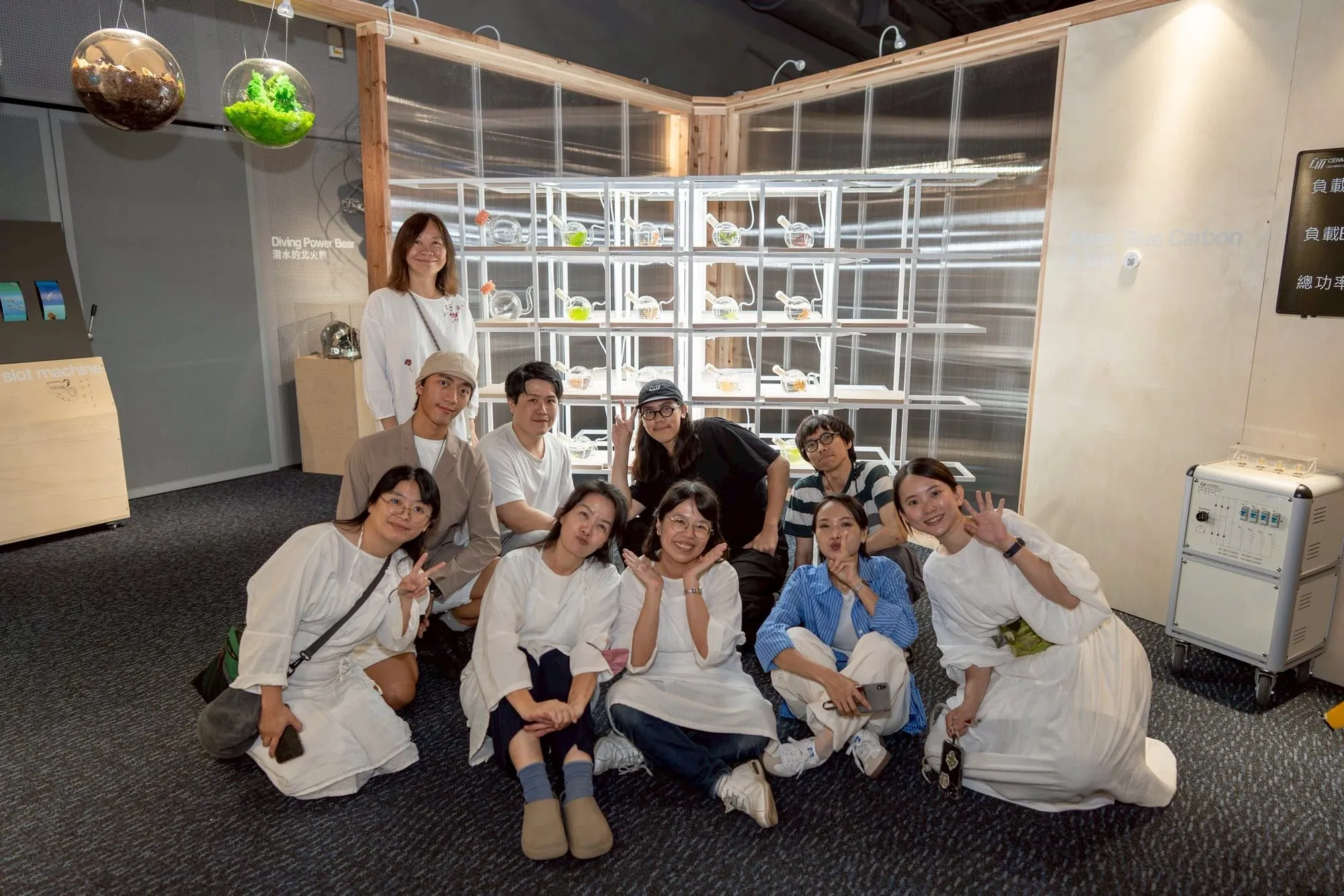
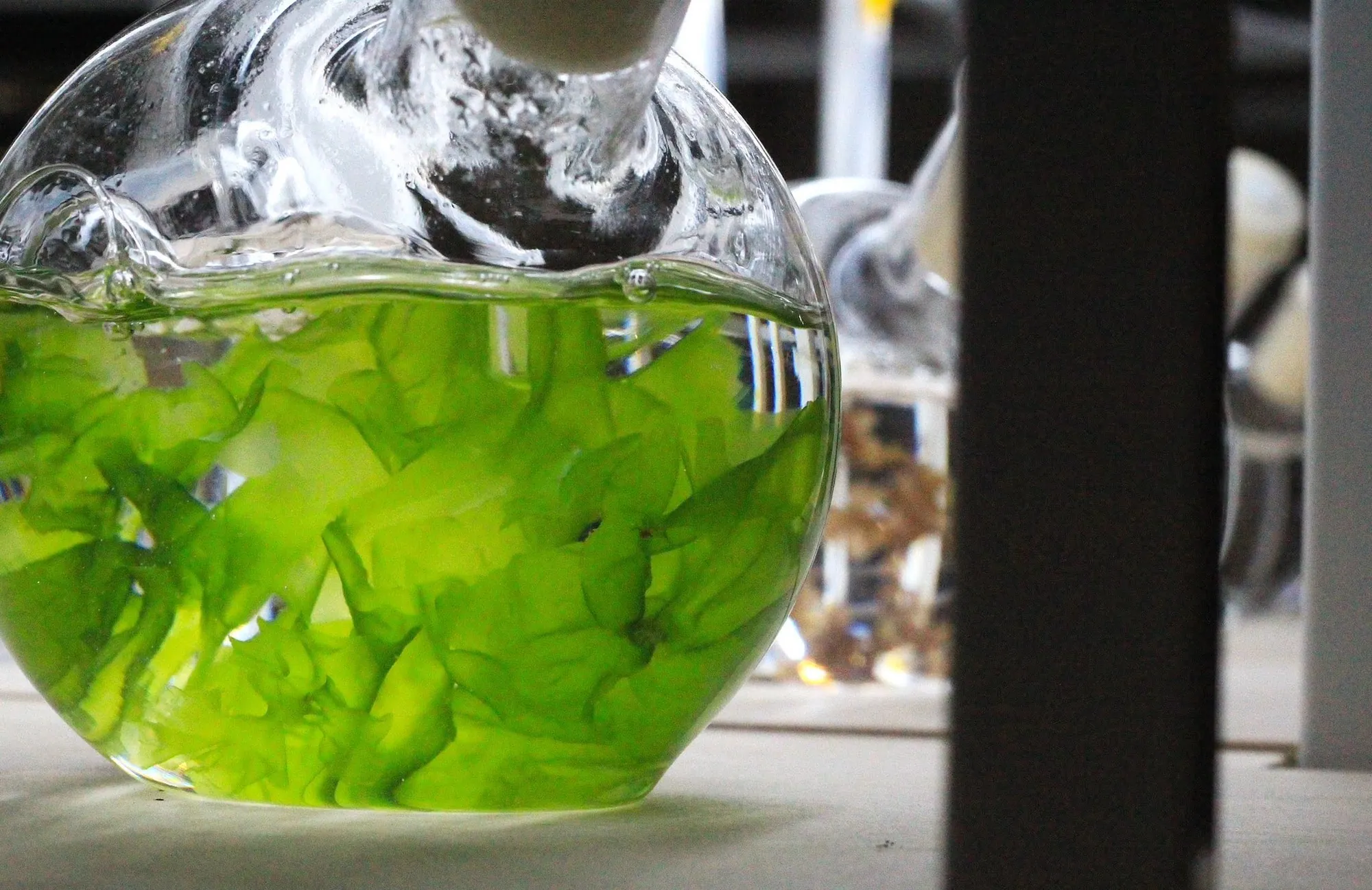
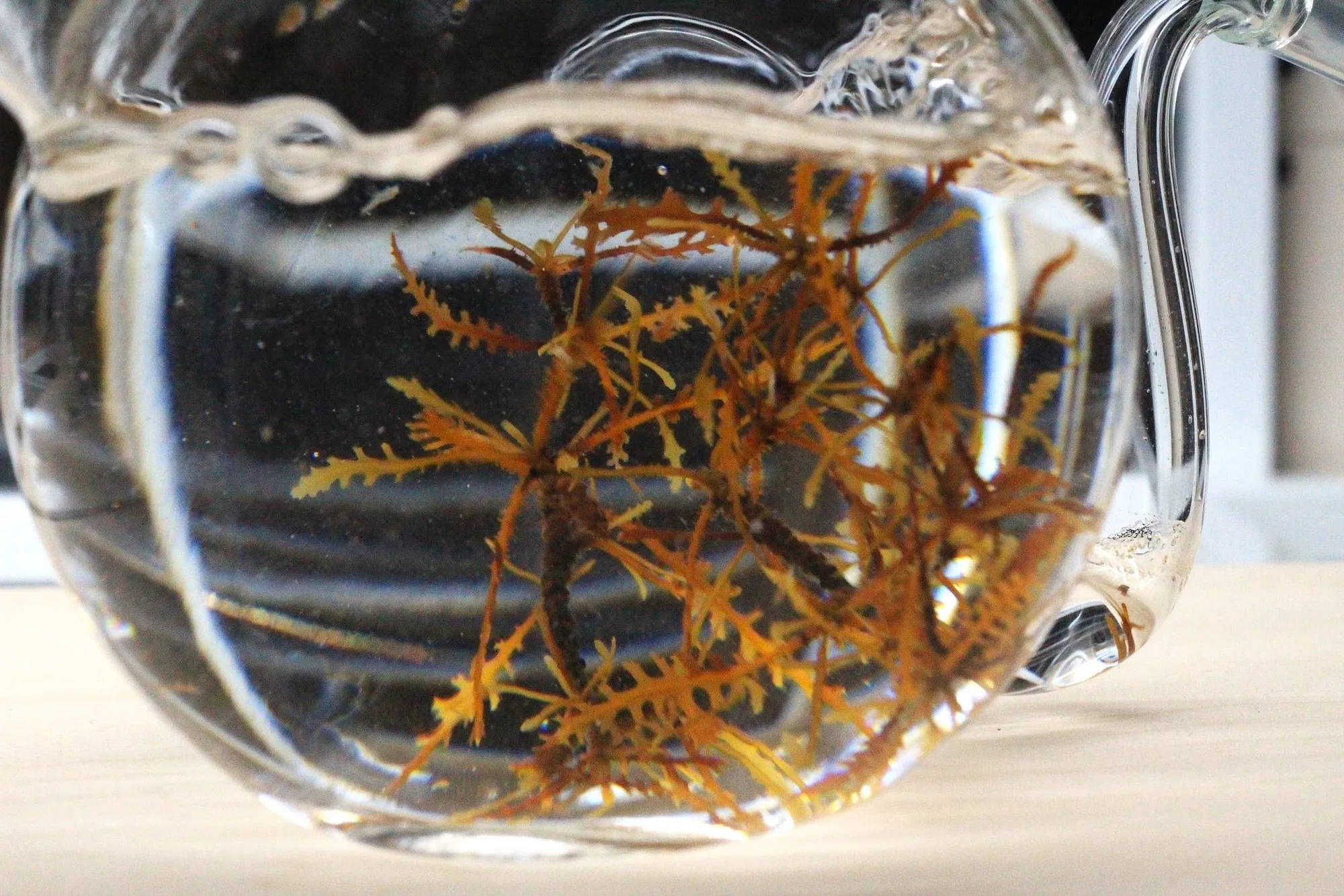
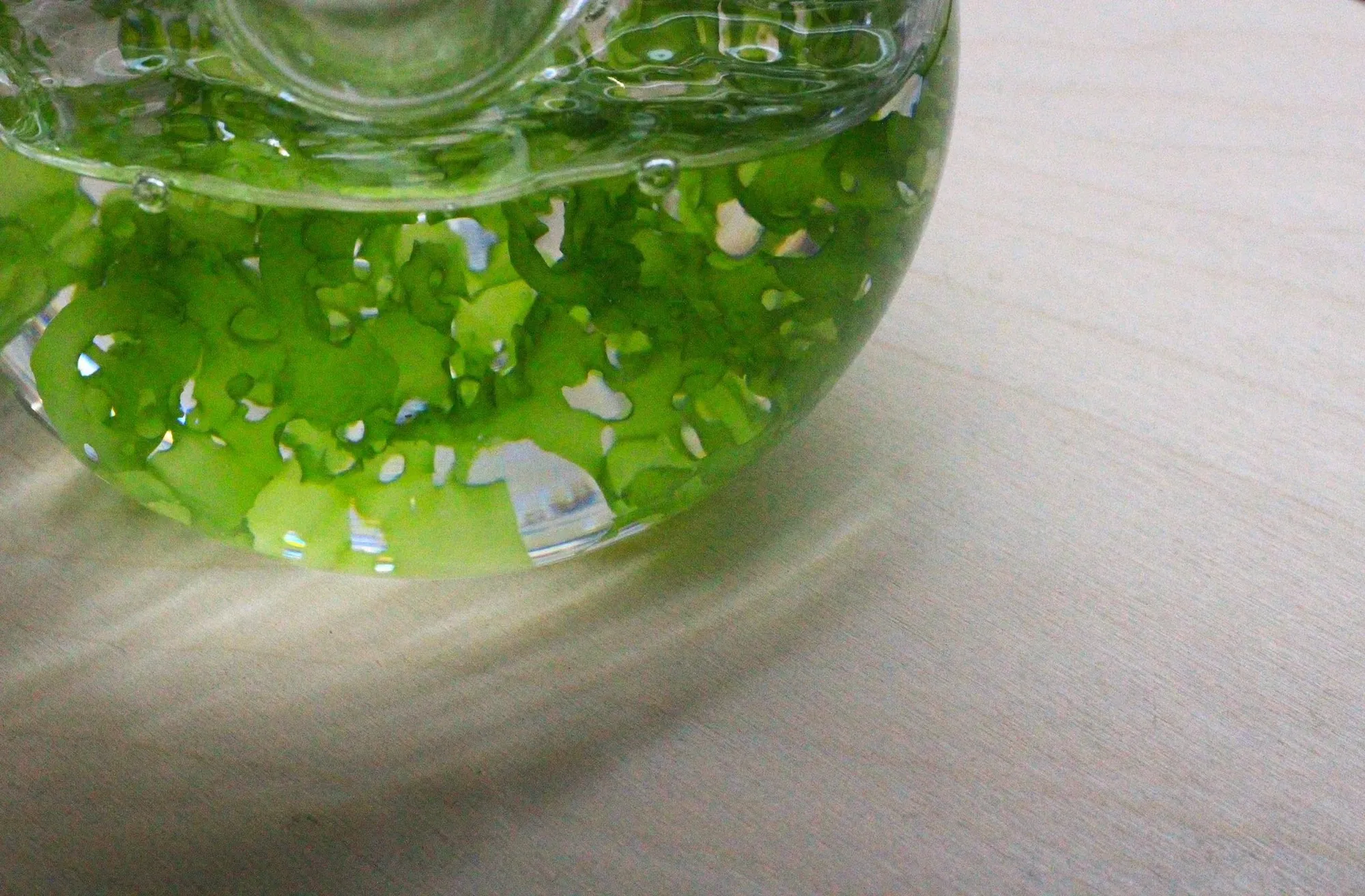
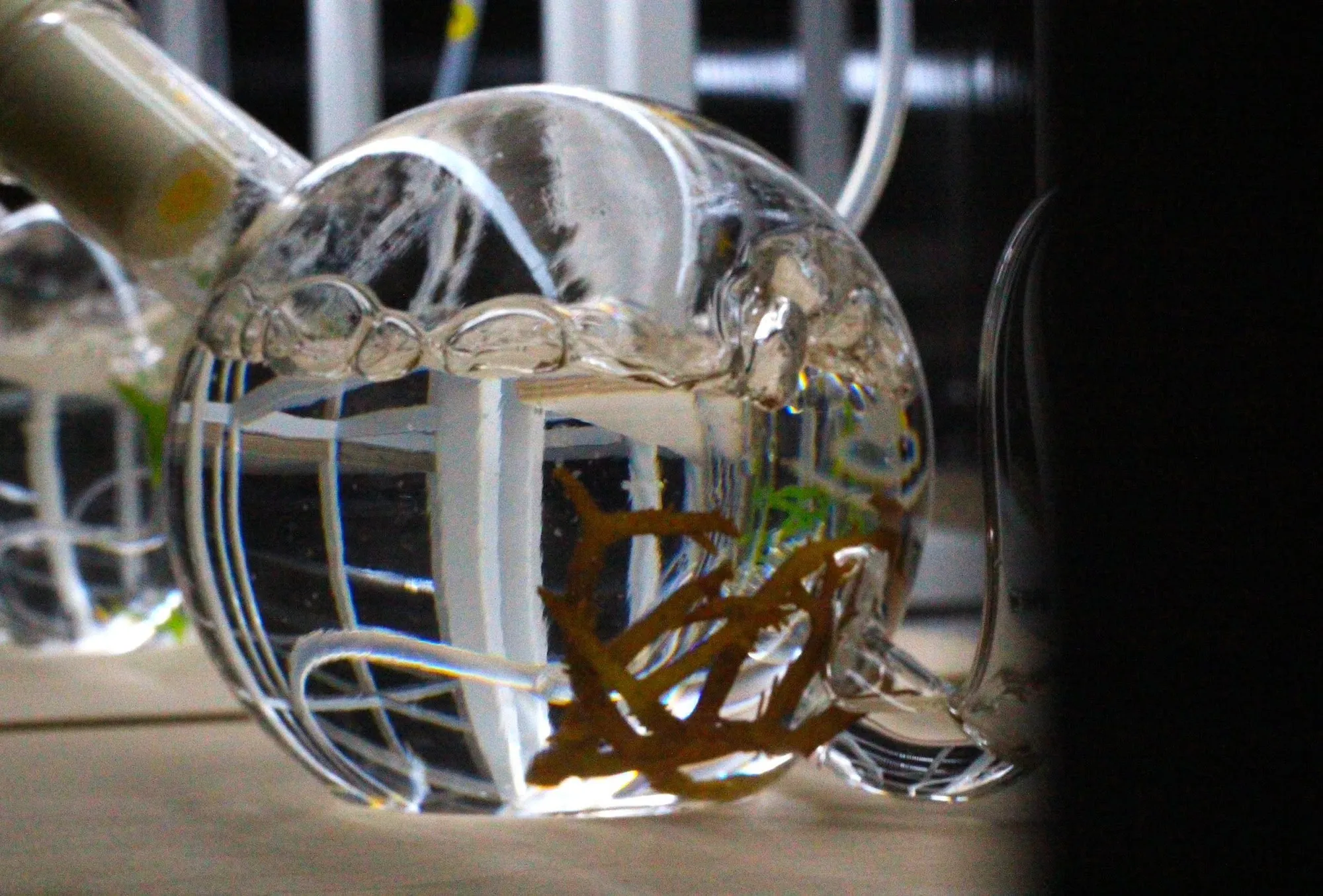
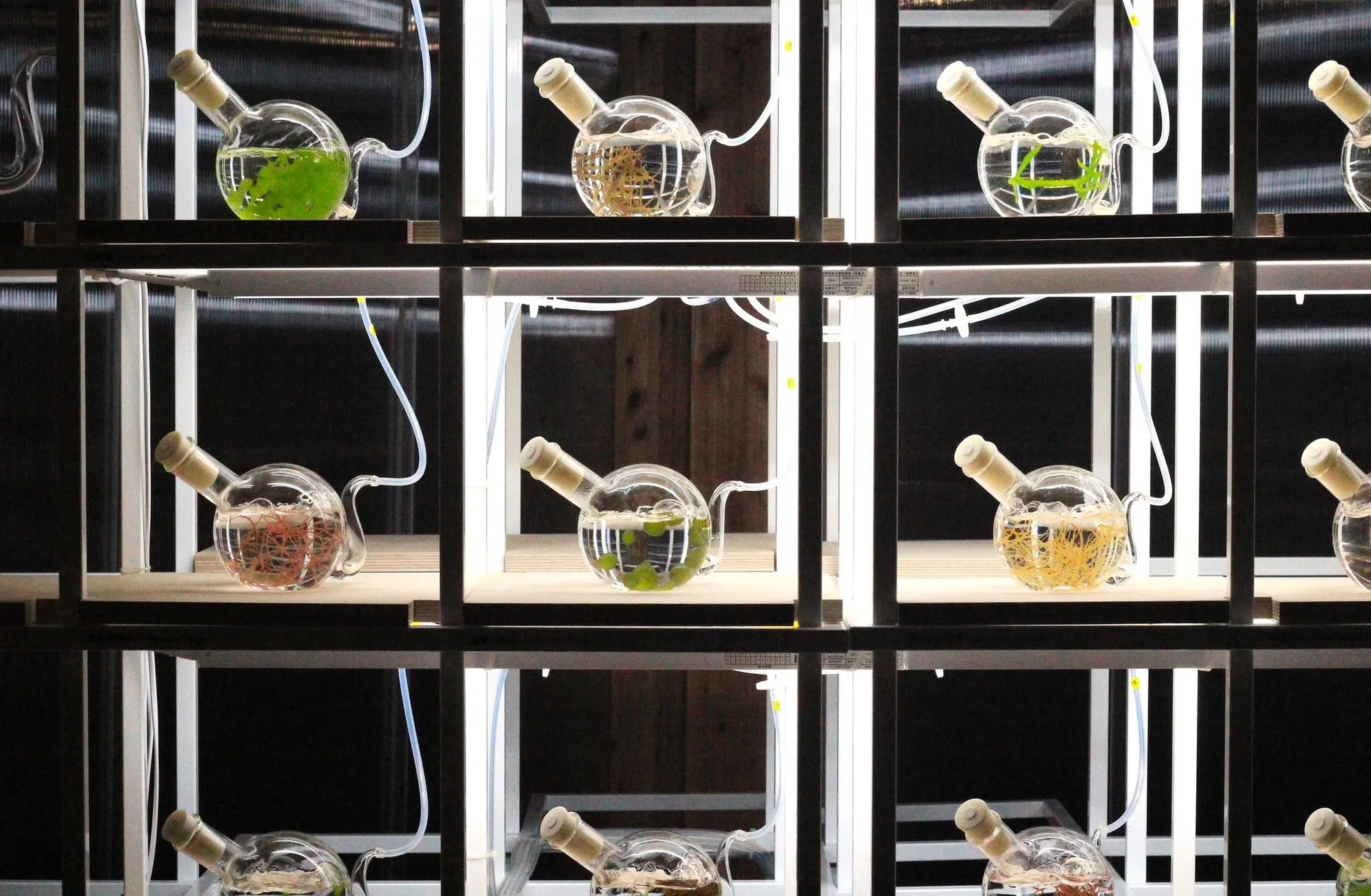
Deeply loving corals, I realized algae are the ocean’s foundation. They provide nutrients, absorb and sequester CO2 into the seabed, solidify life’s brilliance, and serve as visible ocean health indicators (e.g., algal blooms). I fell in love with algae. When visiting Japan’s Osaka for the 2025 Kansai Expo, the Japanese pavilion’s algae presentation confirmed algae are truly the future and life’s best friend. Together with my team and Professor Zhang Ruisheng of Ocean University, we designed a fully indoor algae installation showcasing algae’s elegant morphology. Using specially custom inflatable flasks combined with solar lighting, and after detailed adjustments with the university team, we selected 17 algae species to represent and communicate with humans. I strongly believe that when we can call something by name, we develop affection; the reds and greens of algae combined with bodily language (especially the plump heterocysts of Nostoc) need no further persuasion.
• “Temperature Ball Sail”
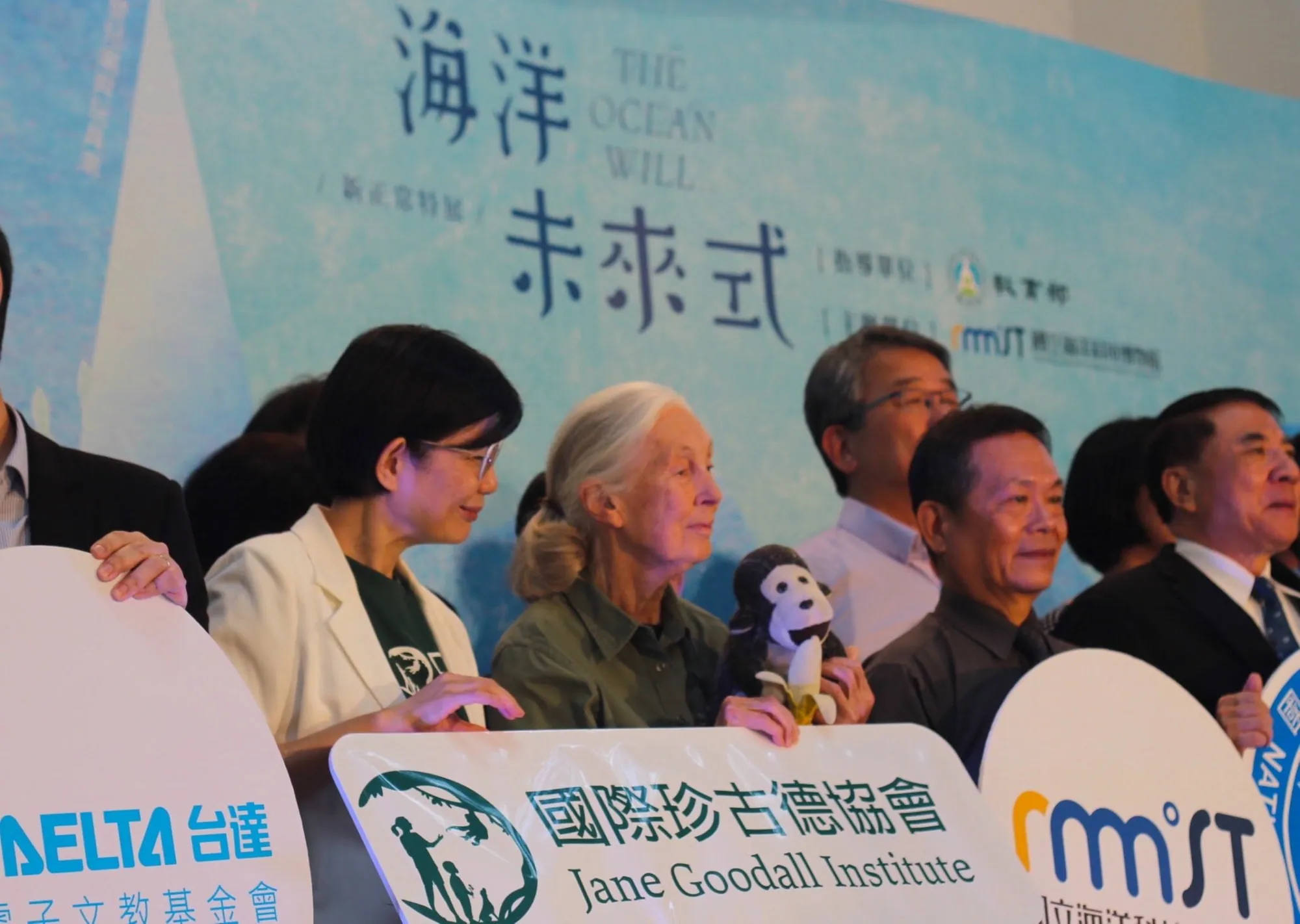
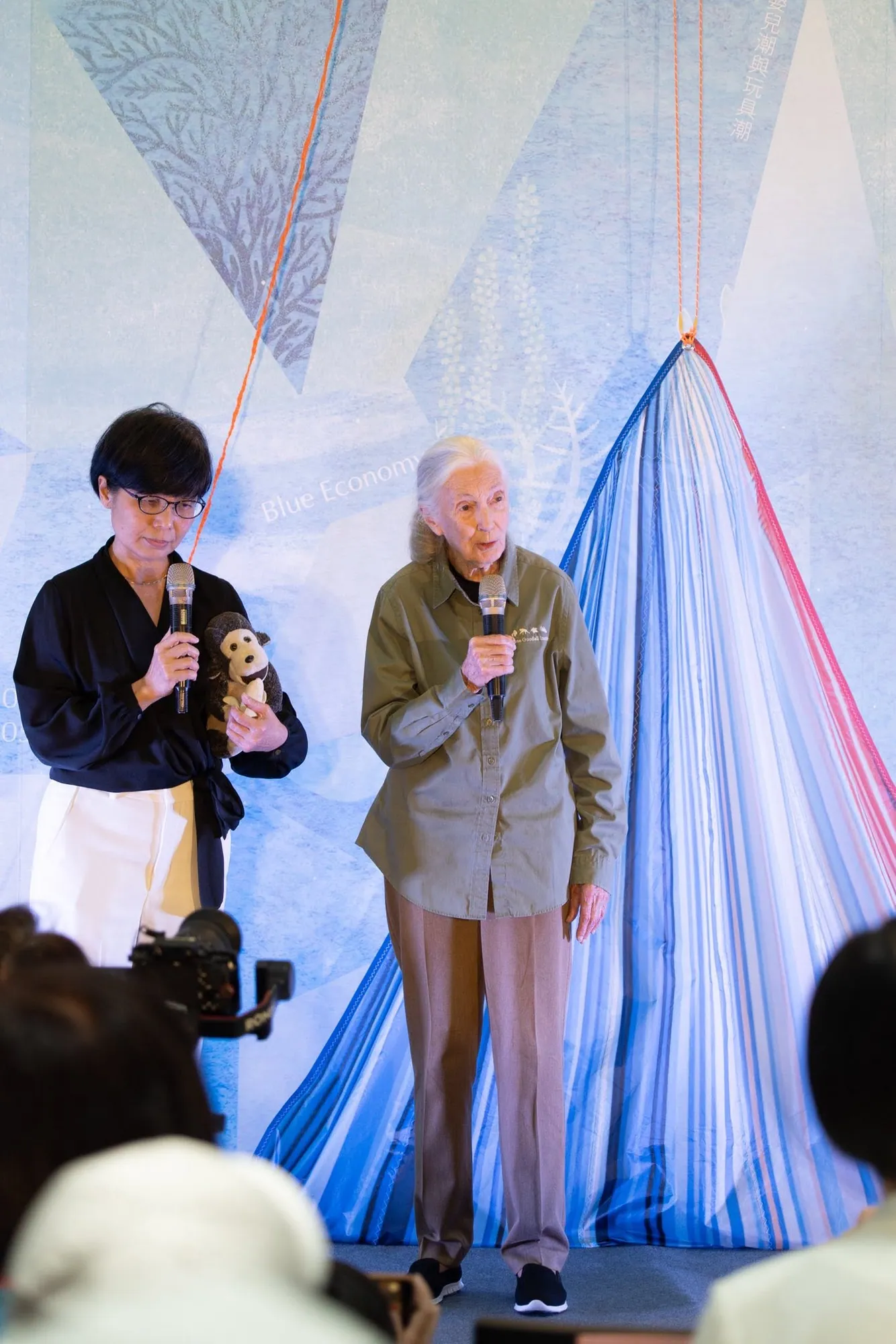
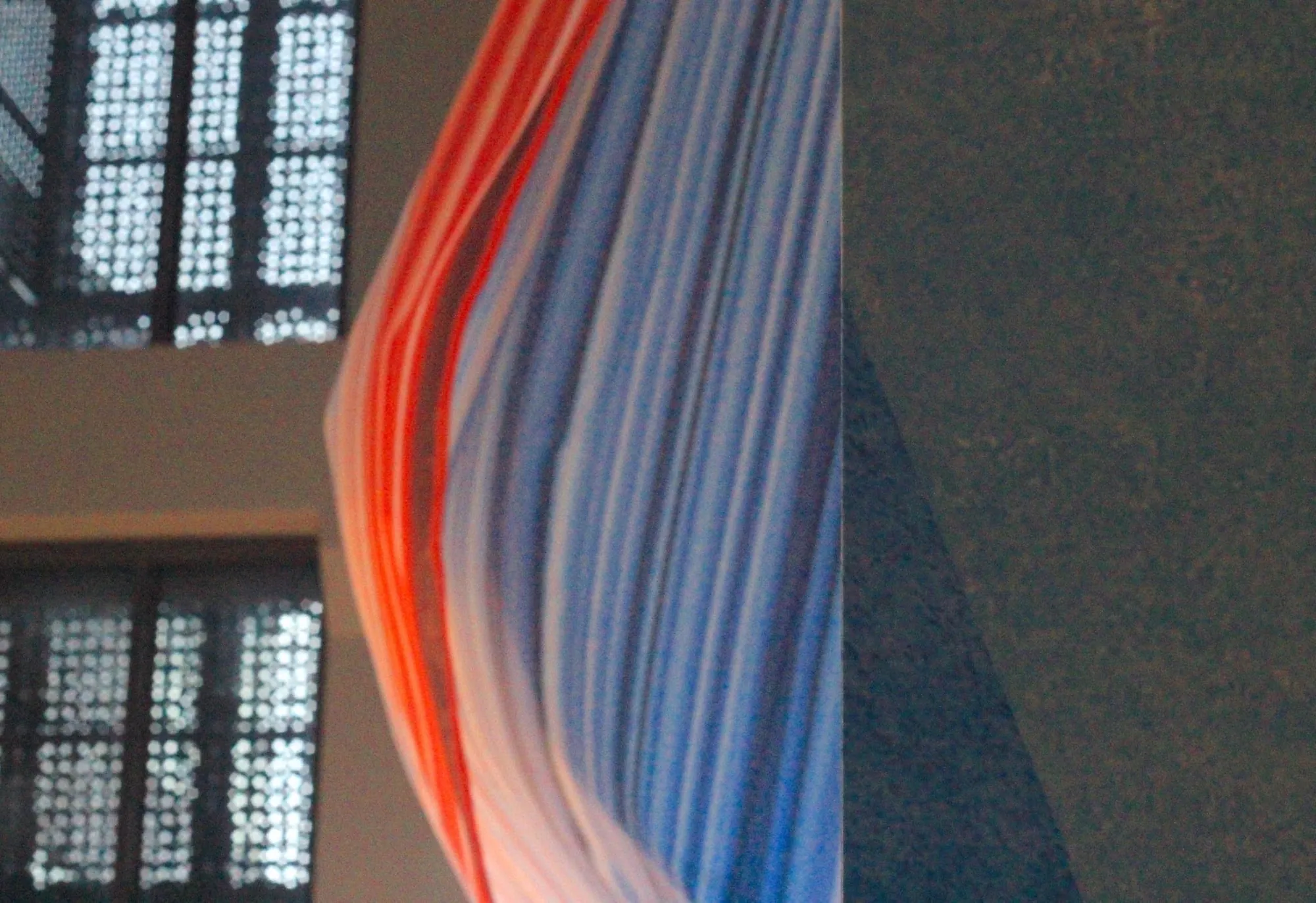
After reading Greta Thunberg’s The Climate Book, I learned of Ed Hawkins’ invention, Climate Stripes, which visually display annual mean temperature using colored stripes. Translation ability is a skill in high demand today. Inspired by Climate Stripes, I partnered with Taiwan Ocean Sailing School to print Taipei’s Climate Stripes (1850 to 2024) on a lightweight spherical sail fixed to the original steel beams in the exhibition hall, symbolizing knowing the past, knowing the present, and facing the future. This ball sail was also used in the exhibition press conference’s ritual design, with the symbolic act of raising the sail being very action-oriented.
• “No Waiting”
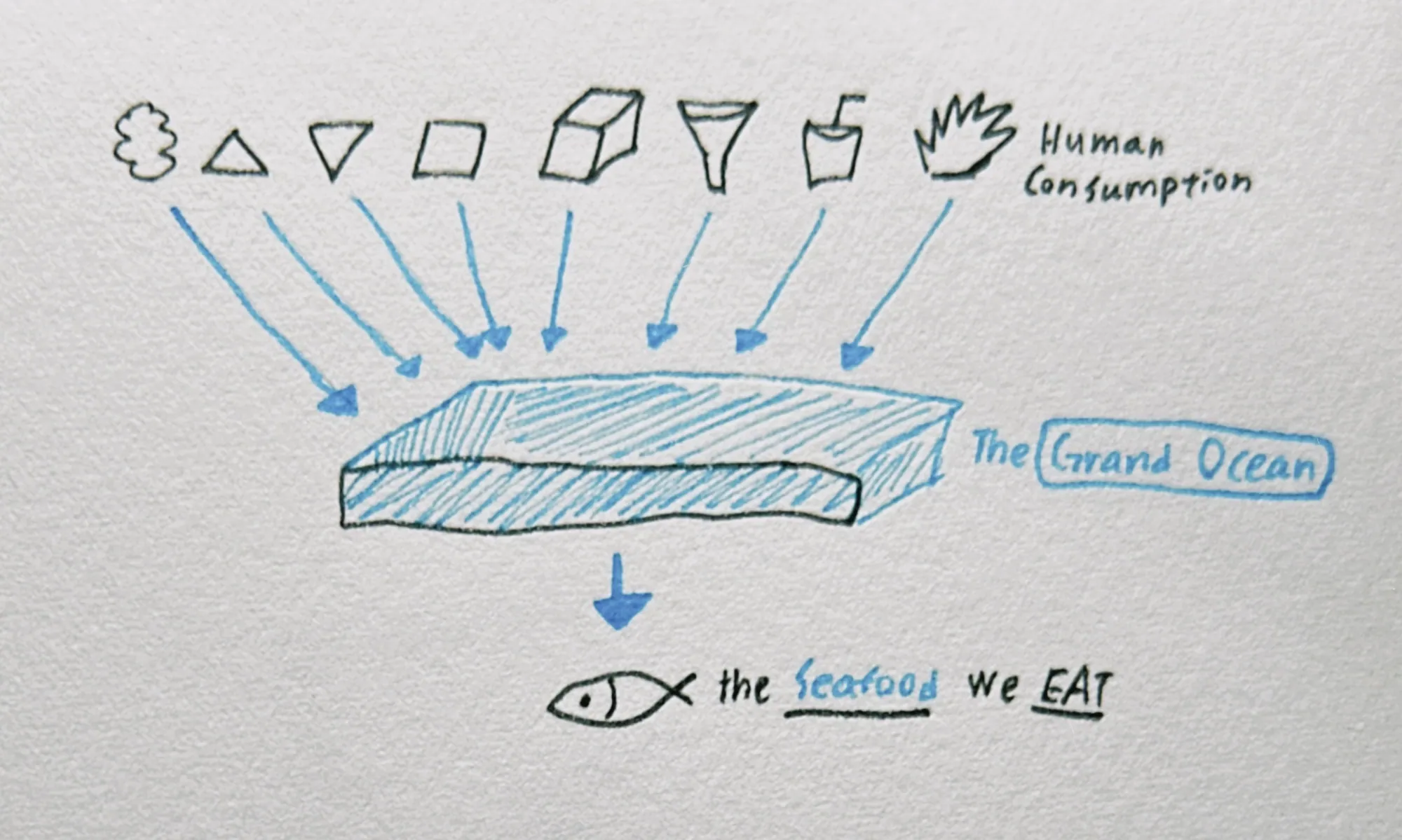
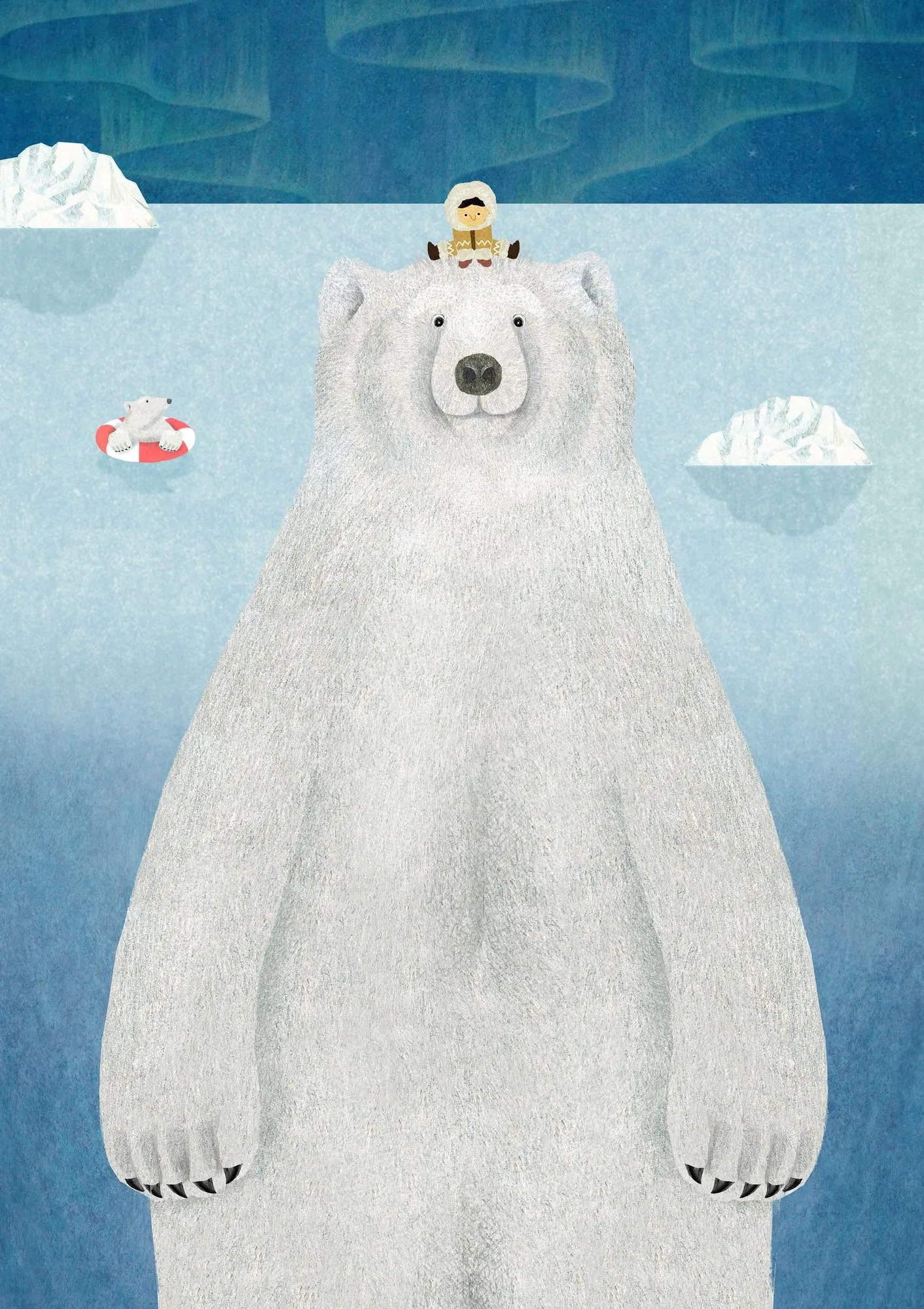
I selected four main ocean and climate issues: ice melt (especially from Greenland/Arctic), global plastic waste, global CO2 emissions, and coral bleaching. Using authoritative data from NASA, UNCC, NOAA, etc., I obtained the most recent timeline (e.g., all of 2024), quantified impact units, and converted them to real-time metrics: tons of ice melting per second diluting the ocean and raising sea levels, tons of plastic waste flowing into the ocean per second, tons of CO2 emitted into the atmosphere per second, and square meters of coral affected by bleaching per second. These data were displayed in real time on a “doomsday accumulation clock” developed with graphic designers. I aimed to show that the climate crisis has no pause, and neither does the urgent environmental demand. The experience design conveys instant, threatening data, appropriately creating psychological and moral pressure, while bringing awareness to the concept of climate tipping points (plastic marine debris was not yet included). How much are we overshooting? This is an environmental alarm bell and might be the tipping point triggering climate action.
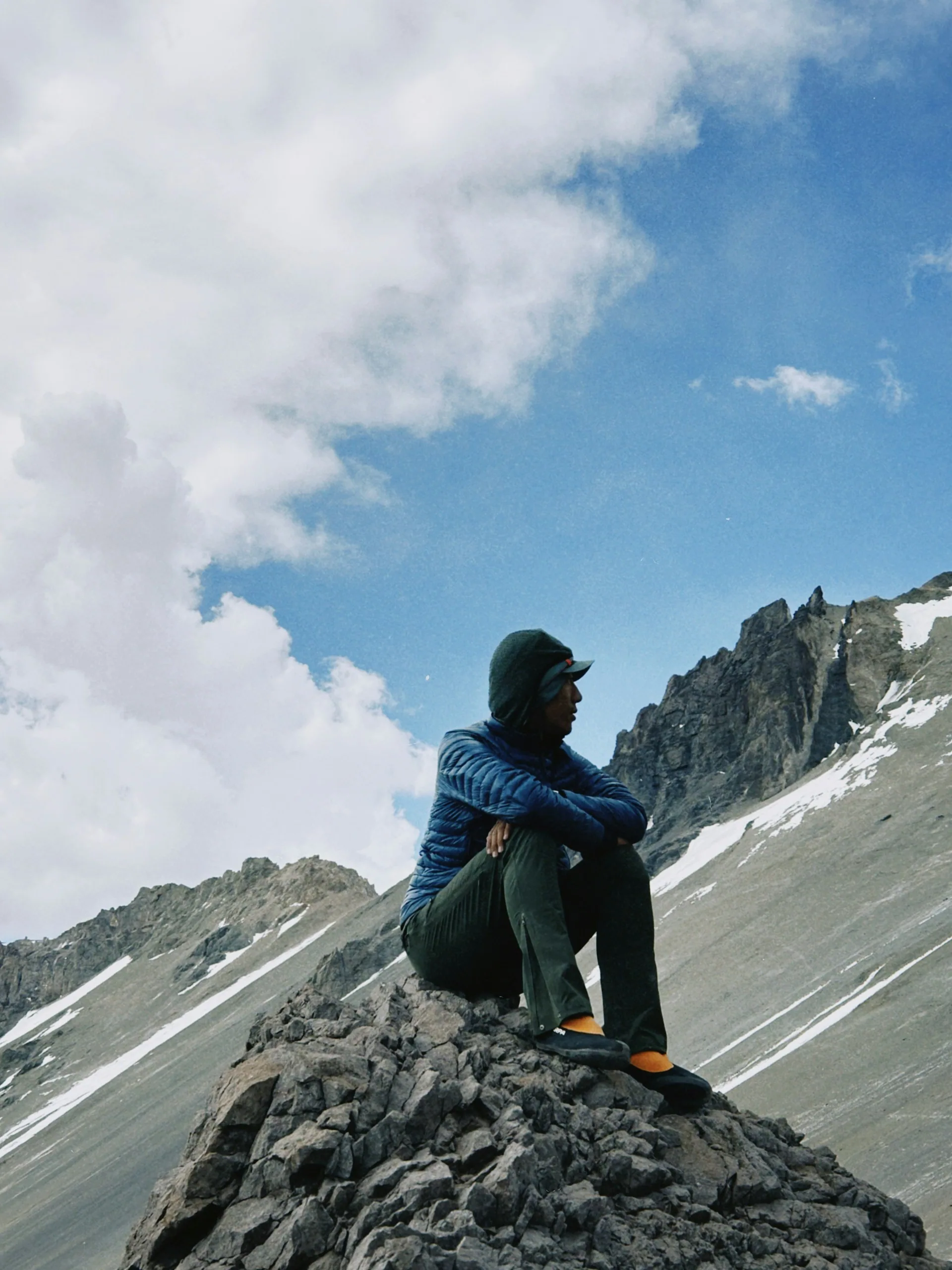
• “Climate Whiplash”
Due to high-altitude climbing, I became aware of climate whiplash. After completing an expedition to Aconcagua, Argentina’s highest peak, at the beginning of 2025, I was about to fly from Chile to Dallas, USA, when my connecting flight was grounded due to severe winter storms in the southern US. I wondered why extreme climate events seemed to follow me. Reading that the same day wildfires raged in the western US, two types of extreme climate disasters struck contemporary America. The steep temperature rise deterred even the most experienced climbers; the steep drop forced even the fastest trail runners to slow. These extremes push ecosystems to their limits with almost no recovery room. Nature, though sensitive, has remarkable regenerative capacity and resilience, like high-intensity interval training. We must create recovery time for Earth. Given time and opportunity, ecosystems’ rebound has no limit. Earth’s self-healing power is its secret weapon and guardian of survival strategies honed over thousands of years. My approach uses ropes of diverse materials representing different extreme climates, connected to lash a symbolic, primal, innocent, organic Earth mother.